
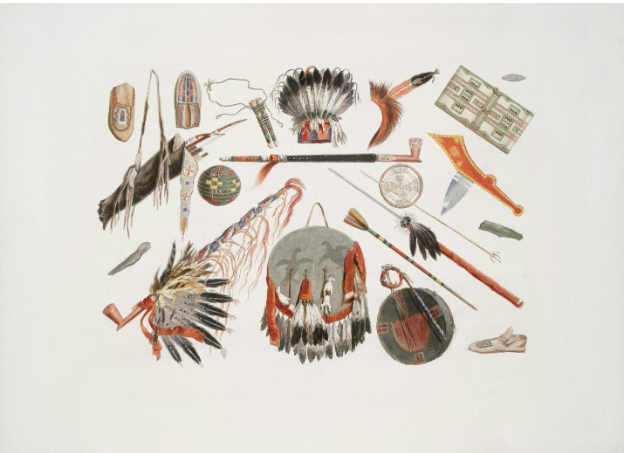
The world of American Indian art is a vast array of aspects. It’s not just about the art, as it is rich with history, culture, and an incredible showcase of workmanship. There are many types of artifacts, such as pottery, textiles, jewelry, and ceremonial objects. They offer a window into the rich traditions of Indigenous peoples with intricately woven Navajo rugs and stunning turquoise and silver jewelry from the Southwest. However, before you decide to sell, insure, or display an item, it is important to know whether it is authentic.
Here is a complete guide to American Indian art appraisers that can help you authenticate the art pieces.
1. The Role of American Indian Art Appraisers
If you’re new to buying or selling any heritage American Indian art piece, then it’s always best to seek help from an appraiser. Trusted and experienced American Indian Art Appraisers understand tribal styles, traditional materials, and maker marks. Look for appraisers who belong to professional organizations, for example, the Appraisers Association of America or the International Society of Appraisers. These groups train appraisers in accepted standards (like USPAP) and require ethical reporting. Searching for such a specialist can really benefit you in authenticating American Indian treasures.
2. Provenance and Documentation
Provenance refers to the history of an item’s ownership, and the same applies to the American Indian art pieces. An authentic art piece must possess a provenance that showcases its authenticity. While buying any piece, you should ask sellers for bills of sale, old photos, exhibition records, or certificates. Moreover, museums and archives can sometimes help with research or catalog comparisons, from which you can verify if the piece is genuine. If there is a provenance, it raises confidence and often adds value. If papers are missing, then an art appraiser guides you on where to look and how to document what you already know.
3. Authentic Materials and Technique
The Native Americans were divided into different groups and tribes, each with its own artistry, materials, and techniques for creating art pieces. These may include Pueblo pottery, Navajo weaving, or Plains beadwork. That’s why you should be familiar with these materials and techniques, so that you can have an authentic piece. In this case, an American Indian art appraiser can be particularly helpful, as they can compare the piece to museum examples or trusted guides for authenticity. They can even identify signs of mass production, modern glazes, fake signatures, or cheap substitutes.
4. Written Appraisal and Condition Report
The authenticity of an American Indian art piece is typically verified through a written appraisal and condition report. Typically, a formal appraisal includes a detailed description, condition notes, clear photographs, and a fair market value assessment. It also lists the research methods and references. An appraiser is capable of doing so. They provide detailed reports that are useful for insurance, tax, or resale purposes. You can keep these copies from art appraisers of all documents and consider a second opinion for high-value pieces.